Grout Sealer Guide: How to Stop Stains Before They Start

Grout gets ignored. Then one day it’s gray and you can’t unsee it.
Blame the material. Grout is sandy cement, and it’s riddled with pinholes. Shampoo creeps in. Hard water too. Mildew loves it. A grout sealer plugs them. Cheapest bathroom upgrade going, in my opinion, and hardly anyone bothers.
Why Grout Turns Gray
Tile is glazed, so water rolls off. Grout isn’t. Showers are the worst case since the joints stay damp long after you’ve toweled off, and mildew settles right in. Kitchens? Grease. Laundry rooms? Detergent film and lint.
Scrubbing backfires, by the way. Bleach and a stiff brush leave the joint rougher each pass, and rough joints hold grime tighter. So you scrub more. See the problem?
What Does a Grout Stain and Sealer Do?
Two kinds of products get lumped together online. One recolors grout. The other goes in clear and blocks liquid. Shopping for a grout stain and sealer to stop stains? You want the clear blocker. Spill wine on it, wipe once, done.
Tile & Grout Armor is a clear blocker. The brand calls it water-based with zero VOC, made with plant-based surfactants, and free of PFOAs and fluorochemicals. Why bring that up? Small bathroom, one window, no appetite for solvent fumes. Pour it into a spray bottle and you’re set.
Where Else It Works
Grout isn’t the only target. The brand lists marble, travertine, granite, mosaic and pavers, and says the look stays put. Own something expensive? Test a hidden spot first.
How Long It Lasts
The brand says 5+ years. I’d check that myself. Flick water on the joint. Beads up? Fine. Darkens? Reseal.
How to Choose a Sealer
Check these before you buy:
- Water-based and low VOC, if airflow is bad
- Approved for your tile, natural stone included
- Dries clear, no sheen change
- Spray-on, so a floor doesn’t eat your weekend
- Enough in the bottle, with extra
Buy extra. Old grout drinks a lot.
How to Apply It
Clean and Dry First
Clean the grout, then wait. In a humid bathroom that can mean a full day or more. Sealing over grime just traps it. Fresh grout needs to cure too, so follow whatever your grout maker says.
Spray, Wait, Wipe
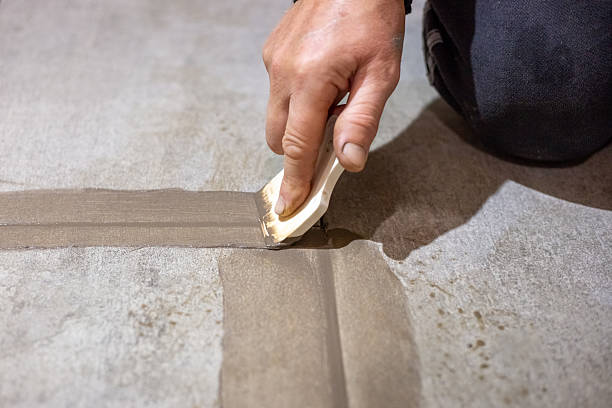
Small patches. A spray bottle or grout applicator beats a brush because it gets into the joints quicker, and you only need the joints wet, not the whole tile. Let it sink in. Wipe the film off the tile before it dries. One coat usually does it, though very old grout might want two. Keep it dry as long as the label says.
Common Mistakes to Avoid
The big one: sealing damp grout, which traps moisture underneath. Next, skipping the clean. Then there’s the belief that it lasts forever. It doesn’t. Steam, strong cleaners and foot traffic wear it down. Stick with a pH-neutral cleaner and keep the bleach in the cupboard. And if a stain shows up in year four or five, that’s not failure. That’s the sealer clocking out.
Grout Sealer FAQs
Will it stop shower mold?
Not by itself. Sealed grout soaks up less water, and mildew needs water, so it helps a lot. Ventilation still matters.
Is it OK on marble?
Yes, marble, travertine and granite are all listed. Test a hidden spot first anyway.
Do I seal new grout?
Yes, once it cures. Way easier than chasing a stain later.
When can I shower again?
Go by the drying time on the bottle. I won’t guess a number.
Is it safe to spray indoors?
It’s water-based with zero VOC, so it’s gentler than solvent sealers. Still open a window, and keep pets and kids out until it dries.
Conclusion: Seal It Now
New grout? Seal it once it’s cured. Stained grout? Clean it, dry it, then seal it. Waiting only makes the cleanup harder. One weekend and one bottle beat years of scrubbing with a toothbrush. A grout stain and sealer won’t make cleaning fun. It just makes it short. Pick the room that bugs you most and start there. Shower, probably?