Essential Electrical Repairs to Keep Your Home Functional
Maintaining your home’s electrical system is crucial for ensuring safety and functionality. While some repairs require professional expertise, many common issues can be handled by homeowners with the right tools and knowledge. Here are essential electrical repairs you can learn to keep your home running smoothly.
Fixing a Tripped Circuit Breaker
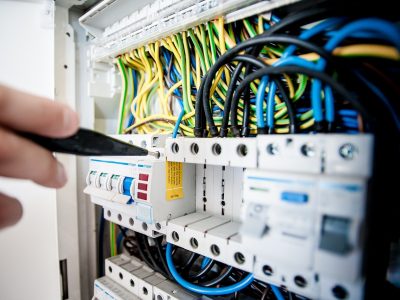
A tripped circuit breaker is one of the most common electrical problems and typically occurs when a circuit is overloaded or short-circuits. To resolve this, locate your breaker panel, which is often in the basement, garage, or utility room. Identify the breaker in the “off” or neutral position and flip it fully off before switching it back on. If the breaker trips again immediately, unplug some devices on that circuit to reduce the load. For recurring issues, consult an electrician, as it may indicate deeper problems like faulty wiring.
Replacing a Faulty Light Switch
A malfunctioning light switch can cause inconvenience and potential hazards. Start by turning off the power at the breaker to ensure safety. Remove the switch plate and unscrew the switch from the wall box. Observe how the wires are connected, then disconnect them. Replace the old switch with a new one, ensuring the wires are attached to the correct terminals—black (hot) to brass screws and ground wires to green screws. Reattach the switch plate and restore power to test the switch. This simple repair restores functionality and prevents further electrical issues.
Repairing Loose Electrical Outlets
Loose outlets can lead to poor connections and even sparks, posing a safety risk. Turn off the power to the outlet, remove the cover plate, and inspect the screws securing the outlet to the electrical box. Tighten the screws or add spacers to ensure the outlet sits flush with the wall. Replace the cover plate and restore power. A stable outlet reduces the risk of damage and keeps your home functional.
Replacing Light Fixtures
Swapping outdated or faulty light fixtures is a straightforward way to enhance both functionality and aesthetics. Begin by turning off the power and removing the existing fixture. Note how the wires are connected, then disconnect them. Attach the new fixture’s wires to the corresponding wires in the ceiling—black to black, white to white, and green or bare copper to the grounding screw. Secure the fixture, install the bulbs, and restore power to test your work. This upgrade can refresh the look of your home while improving lighting efficiency.