Electric Vs Gas Water Heater Replacement Pros and Cons

Choosing the Right Water Heater for Your Home
Replacing a water heater is a major home decision. The choice often comes down to electric or gas. Each option has clear strengths and limits. The right pick depends on your home setup, budget, and daily hot water needs. This guide breaks down the pros and cons in simple terms, so you can decide with confidence. We will also share examples, a pro tip, and key insights to help you avoid common mistakes.
Highlighted Insight: A water heater is not just an appliance. It shapes comfort, energy use, and long-term costs.
Understanding Electric Water Heater Options
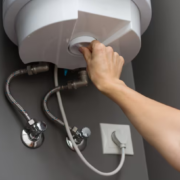
Electric water heaters run on heating elements powered by electricity. They are common in homes without gas lines and are known for simple design.
Pros of Electric Water Heaters
Electric models are easy to install and maintain. They do not need venting, which lowers setup time. Parts are widely available, and repairs tend to cost less.
They also run quietly and work well in smaller homes or apartments. For example, a condo with limited space often benefits from an electric unit due to its compact size.
Cons of Electric Water Heaters
Electric heaters may cost more to run in areas with high power rates. Recovery time is slower, meaning hot water can run out during long showers.
Another concern is outage risk. When power fails, hot water stops. This can be a problem during winter storms.
Emergency Hot Water Repair and Gas Water Heaters
Gas water heaters use natural gas or propane to heat water. They are common in larger homes with higher demand.
Pros of Gas Water Heaters
Gas heaters heat water faster and recover quickly. This makes them ideal for families who use hot water often. They also work during power outages, as long as the pilot stays lit.
From an energy cost view, gas is often cheaper than electricity. Over time, this can lower monthly bills.
- One key benefit is faster recovery, which supports emergency hot water repair situations.
Cons of Gas Water Heaters
Gas units cost more upfront and need proper venting. Installation takes longer and must meet safety codes. There is also a small risk of gas leaks if maintenance is ignored.
How a Water Heater Company Helps You Decide ?
A trusted water heater company looks at your home as a whole. They check fuel access, space, and daily use. This prevents costly errors.
Pro Tip: Match the Heater to Your Lifestyle
If you live alone or in a small home, electric may meet your needs. If you have a large family, gas often performs better.
For example, a household with two bathrooms and back-to-back showers may struggle with a small electric tank.
A professional also explains long-term costs, not just purchase price. This includes energy use, lifespan, and repair needs.
Key Differences at a Glance
While both systems heat water, their operation and impact differ. Electric units focus on simplicity. Gas units focus on power and speed. Neither is perfect for every home.
Maintenance matters for both. Regular flushing and inspections extend lifespan and improve safety.
Conclusion: Making a Confident Replacement Choice
Choosing between electric and gas water heater replacement depends on your home, energy costs, and comfort needs. Electric heaters offer simple setup and lower upfront costs. Gas heaters deliver speed and strength for high demand.
Think beyond today. Consider future repairs, energy prices, and household changes. When in doubt, seek guidance from a skilled professional who understands both systems.
Final Thought: A well-chosen water heater brings steady comfort and fewer surprises.