Quick Electrical Repairs: Safe Fixes for Common Issues
Electrical issues can be intimidating, but many common problems can be resolved safely with a little knowledge and the right tools. Addressing these issues yourself not only saves money but also gives you the confidence to maintain your home’s electrical system. Here are some safe DIY fixes for common electrical problems, along with tips to ensure your safety throughout the process.
Fixing a Tripped Circuit Breaker
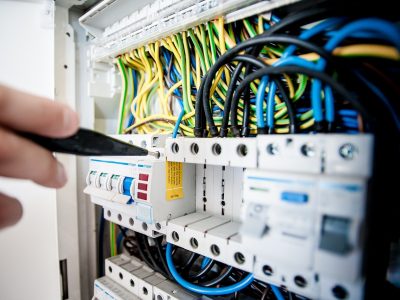
A tripped circuit breaker is one of the most frequent electrical issues homeowners encounter. This occurs when a circuit becomes overloaded or short-circuits, causing the breaker to cut power as a safety measure. To resolve this, first locate your breaker panel, which is usually found in a garage, basement, or utility room. Identify the breaker in the “off” or middle position, turn it fully off, and then switch it back on. If the breaker trips again immediately, unplug devices on the circuit to reduce the load before resetting it. Persistent problems may indicate a wiring issue or faulty appliance, which should be inspected by a professional.
Replacing a Faulty Light Switch
A malfunctioning light switch can be inconvenient and potentially hazardous. Begin by turning off the power at the circuit breaker to ensure safety. Remove the switch cover and unscrew the switch from the wall box. Carefully observe how the wires are connected before disconnecting them. Install the new switch by attaching the wires to the correct terminals—usually black (hot) to one screw and the other wire to the opposite screw. Secure the switch back in the wall box, reattach the cover, and turn the power back on. Test the switch to ensure it’s functioning correctly. This straightforward fix is an effective way to restore functionality to a room.
Repairing an Outlet That Doesn’t Work
Non-working outlets can disrupt daily life and indicate a potential problem in your electrical system. First, test the outlet with a voltage tester to confirm it’s not receiving power. Check if it’s connected to a Ground Fault Circuit Interrupter (GFCI) outlet, which may need to be reset. Press the “reset” button on the GFCI outlet and test the problematic outlet again. If resetting doesn’t work, turn off the power, remove the outlet cover, and inspect the wiring for loose connections or damage. Tighten any loose wires, replace damaged components, and test the outlet once power is restored.
Replacing a Light Fixture
Upgrading a light fixture can refresh a room’s look and resolve issues like flickering or dim lighting. Turn off the power at the breaker and remove the existing fixture. Note how the wires are connected before disconnecting them. Attach the wires of the new fixture to the corresponding wires in the ceiling—black to black (hot), white to white (neutral), and green or bare copper to the grounding screw. Secure the fixture, install the lightbulbs, and restore power. Properly installed fixtures not only brighten your space but also improve the room’s aesthetic.